'%3e %3cpath id='Path_1' data-name='Path 1' class='cls-1' d='M33.152%2c73.087c-5.193%2c4.125-13.011%2c12.178-13.879%2c16.944%2c5.2-4.766%2c15.709-7.094%2c22.07-6.614%2c38.309%2c2.891%2c34.689-14.183%2c52.281-20.449-4.67-1.121-10.781-4.894-10.442-11.779%2c6.391%2c10.182%2c15.6%2c6.933%2c18.089%2c3.14.8-1.213%2c3.84-6.748%2c1.19-6.932-2.492-.171-3.61-4.6-5.114-6.707-6.862-9.613-14.709-7.7-15.033-7.591l-8.731-4.5%2c2.71%2c9.089C75.128%2c40.517%2c73%2c44%2c69.317%2c44.148c-6.169-.212-5.256-5.075-2.8-13.715C68.257%2c24.3%2c80.083-22.176%2c0%2c13.094c0%2c0%2c51.445-8.394%2c19.53%2c16.3%2c0%2c0%2c29.082-6.532%2c17.8%2c12.658C53.213%2c39.455%2c54.369%2c56.234%2c33.152%2c73.087ZM93.424%2c50.023c-2.373%2c1.682-5.873.6-7.82-2.429s-1.6-6.837.779-8.518c2.083-1.475%2c5.04-.812%2c7.048%2c1.422a2.408%2c2.408%2c0%2c0%2c0-1.711-.008c-1.623.624-2.392%2c2.914-1.729%2c5.111s2.52%2c3.472%2c4.138%2c2.847a2.622%2c2.622%2c0%2c0%2c0%2c.971-.683A4.683%2c4.683%2c0%2c0%2c1%2c93.424%2c50.023Z'/%3e %3c/g%3e %3c/svg%3e)
'%3e %3cg id='Group_1' data-name='Group 1'%3e %3cpath id='Path_1' data-name='Path 1' class='cls-1' d='M33.152%2c73.087c-5.193%2c4.125-13.011%2c12.178-13.879%2c16.944%2c5.2-4.766%2c15.709-7.094%2c22.07-6.614%2c38.309%2c2.891%2c34.689-14.183%2c52.281-20.449-4.67-1.121-10.781-4.894-10.442-11.779%2c6.391%2c10.182%2c15.6%2c6.933%2c18.089%2c3.14.8-1.213%2c3.84-6.748%2c1.19-6.932-2.492-.171-3.61-4.6-5.114-6.707-6.862-9.613-14.709-7.7-15.033-7.591l-8.731-4.5%2c2.71%2c9.089C75.128%2c40.517%2c73%2c44%2c69.317%2c44.148c-6.169-.212-5.256-5.075-2.8-13.715C68.257%2c24.3%2c80.083-22.176%2c0%2c13.094c0%2c0%2c51.445-8.394%2c19.53%2c16.3%2c0%2c0%2c29.082-6.532%2c17.8%2c12.658C53.213%2c39.455%2c54.369%2c56.234%2c33.152%2c73.087ZM93.424%2c50.023c-2.373%2c1.682-5.873.6-7.82-2.429s-1.6-6.837.779-8.518c2.083-1.475%2c5.04-.812%2c7.048%2c1.422a2.408%2c2.408%2c0%2c0%2c0-1.711-.008c-1.623.624-2.392%2c2.914-1.729%2c5.111s2.52%2c3.472%2c4.138%2c2.847a2.622%2c2.622%2c0%2c0%2c0%2c.971-.683A4.683%2c4.683%2c0%2c0%2c1%2c93.424%2c50.023Z'/%3e %3c/g%3e %3cg id='Group_7' data-name='Group 7'%3e %3cg id='Group_3' data-name='Group 3'%3e %3cg id='Group_2' data-name='Group 2'%3e %3cpath id='Path_2' data-name='Path 2' class='cls-2' d='M123.893%2c41.35h15.468v3.2H127.38v8.412h11.981V56.2H127.38V70.687h-3.487Z'/%3e %3cpath id='Path_3' data-name='Path 3' class='cls-2' d='M157.819%2c41.35h6.893c2.79%2c0%2c4.924.082%2c6.729%2c1.477a8.107%2c8.107%2c0%2c0%2c1%2c2.749%2c6.524c0%2c4.8-2.749%2c7.345-7.919%2c7.345h-.615l11.2%2c13.991h-4.431L161.717%2c56.7h-.493V70.687h-3.4Zm3.4%2c12.761h2.667c4.6%2c0%2c6.853-.657%2c6.853-4.719%2c0-4.267-2.216-5.088-6.853-5.088h-2.667Z'/%3e %3cpath id='Path_4' data-name='Path 4' class='cls-2' d='M217.512%2c66.954a15.907%2c15.907%2c0%2c0%2c1-22.2%2c0%2c15.211%2c15.211%2c0%2c0%2c1%2c0-21.788%2c16.009%2c16.009%2c0%2c0%2c1%2c22.2%2c0%2c15.307%2c15.307%2c0%2c0%2c1%2c0%2c21.788Zm-2.626-2.339a11.841%2c11.841%2c0%2c0%2c0%2c3.528-8.535%2c12.029%2c12.029%2c0%2c0%2c0-3.528-8.617%2c11.988%2c11.988%2c0%2c0%2c0-16.987%2c0%2c12.1%2c12.1%2c0%2c0%2c0-3.529%2c8.617%2c11.911%2c11.911%2c0%2c0%2c0%2c3.529%2c8.535%2c11.891%2c11.891%2c0%2c0%2c0%2c16.987%2c0Z'/%3e %3cpath id='Path_5' data-name='Path 5' class='cls-2' d='M263.048%2c66.954a15.906%2c15.906%2c0%2c0%2c1-22.2%2c0%2c15.209%2c15.209%2c0%2c0%2c1%2c0-21.788%2c16.008%2c16.008%2c0%2c0%2c1%2c22.2%2c0%2c15.307%2c15.307%2c0%2c0%2c1%2c0%2c21.788Zm-2.626-2.339a11.841%2c11.841%2c0%2c0%2c0%2c3.528-8.535%2c12.029%2c12.029%2c0%2c0%2c0-3.528-8.617%2c11.987%2c11.987%2c0%2c0%2c0-16.986%2c0%2c12.1%2c12.1%2c0%2c0%2c0-3.53%2c8.617%2c11.912%2c11.912%2c0%2c0%2c0%2c3.53%2c8.535%2c11.89%2c11.89%2c0%2c0%2c0%2c16.986%2c0Z'/%3e %3cpath id='Path_6' data-name='Path 6' class='cls-2' d='M290.092%2c44.673H281.8V41.35h20.064v3.323h-8.247V70.687h-3.529Z'/%3e %3c/g%3e %3c/g%3e %3cg id='Group_5' data-name='Group 5'%3e %3cg id='Group_4' data-name='Group 4'%3e %3cpath id='Path_7' data-name='Path 7' class='cls-3' d='M319.829%2c41.35h6.114c3.2%2c0%2c5.539.123%2c7.385%2c1.477a7.578%2c7.578%2c0%2c0%2c1%2c2.955%2c6.237%2c5.83%2c5.83%2c0%2c0%2c1-4.349%2c6.072c3.446.534%2c5.621%2c3.283%2c5.621%2c7.222a8.684%2c8.684%2c0%2c0%2c1-2.421%2c6.113c-2.134%2c2.093-5.006%2c2.216-9.191%2c2.216h-6.114Zm3.406%2c12.843h2.708c4.718%2c0%2c6.77-1.149%2c6.77-4.719%2c0-4.226-2.134-5.088-6.77-5.088h-2.708Zm0%2c13.458h2.708c2.79%2c0%2c4.718-.082%2c5.991-.985a5.251%2c5.251%2c0%2c0%2c0%2c1.928-4.308%2c4.951%2c4.951%2c0%2c0%2c0-2.421-4.637c-1.231-.738-2.667-.779-4.472-.779h-3.734Z'/%3e %3cpath id='Path_8' data-name='Path 8' class='cls-3' d='M379.44%2c70.687h-3.774L371.85%2c61.7H360.4l-3.816%2c8.985h-3.775L366.105%2c40.2ZM361.428%2c58.706h9.355l-4.678-10.791Z'/%3e %3cpath id='Path_9' data-name='Path 9' class='cls-3' d='M399.265%2c44.673h-8.288V41.35h20.064v3.323h-8.247V70.687h-3.529Z'/%3e %3c/g%3e %3c/g%3e %3c/g%3e %3c/g%3e %3c/svg%3e)
'%3e %3cpath id='ic_search_24px' d='M16.2231 14.4225H15.229L14.877 14.0726C16.2563 12.417 16.9594 10.2752 16.8386 8.09682C16.7179 5.91848 15.7827 3.87306 14.2294 2.39001C12.6761 0.906959 10.6255 0.101638 8.50813 0.143129C6.3908 0.184619 4.37141 1.06969 2.87396 2.61252C1.3765 4.15535 0.51746 6.23593 0.47719 8.41743C0.43692 10.5989 1.21855 12.7117 2.65798 14.312C4.09741 15.9124 6.08267 16.876 8.19695 17.0004C10.3112 17.1248 12.39 16.4004 13.997 14.9793L14.3366 15.3419V16.3662L19.6879 21.8688C20.206 22.4016 21.0452 22.4012 21.5629 21.8678C22.0806 21.3344 22.081 20.4698 21.5638 19.9359L16.2231 14.4225ZM8.67572 14.4225C7.5561 14.4225 6.46163 14.0805 5.53071 13.4396C4.59978 12.7987 3.87421 11.8878 3.44575 10.8221C3.0173 9.75633 2.90519 8.58363 3.12362 7.45225C3.34204 6.32087 3.88119 5.28164 4.67288 4.46596C5.46456 3.65028 6.47324 3.0948 7.57134 2.86975C8.66944 2.64471 9.80765 2.76021 10.842 3.20165C11.8764 3.64309 12.7605 4.39065 13.3826 5.34978C14.0046 6.30892 14.3366 7.43656 14.3366 8.5901C14.3377 9.35634 14.192 10.1153 13.9079 10.8234C13.6238 11.5315 13.2069 12.1749 12.681 12.7167C12.1551 13.2585 11.5306 13.6881 10.8433 13.9808C10.156 14.2735 9.41942 14.4236 8.67572 14.4225Z' fill='black'/%3e %3c/g%3e %3cdefs%3e %3cclipPath id='clip0_2982_5371'%3e %3crect width='22' height='22.6667' fill='white' transform='translate(0.5 0.166504)'/%3e %3c/clipPath%3e %3c/defs%3e %3c/svg%3e)
 Copyright 2022 Fonticons%2c Inc. --%3e%3cpath d='M96 0C107.5 0 117.4 8.19 119.6 19.51L121.1 32H541.8C562.1 32 578.3 52.25 572.6 72.66L518.6 264.7C514.7 278.5 502.1 288 487.8 288H170.7L179.9 336H488C501.3 336 512 346.7 512 360C512 373.3 501.3 384 488 384H159.1C148.5 384 138.6 375.8 136.4 364.5L76.14 48H24C10.75 48 0 37.25 0 24C0 10.75 10.75 0 24 0H96zM475.6 240L520.6 80H131.1L161.6 240H475.6zM128 464C128 437.5 149.5 416 176 416C202.5 416 224 437.5 224 464C224 490.5 202.5 512 176 512C149.5 512 128 490.5 128 464zM512 464C512 490.5 490.5 512 464 512C437.5 512 416 490.5 416 464C416 437.5 437.5 416 464 416C490.5 416 512 437.5 512 464z'/%3e%3c/svg%3e)
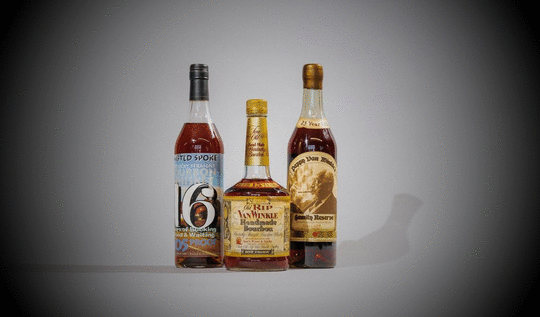
The Holy Grail: Old Rip Van Winkle's Rarest Bottles
Published Aug 12th, 2025, Last updated Jan 28th, 2026
For the serious whiskey collector, few names command the reverence and investment potential of Van Winkle. While Pappy Van Winkle has become synonymous with bourbon excellence, the most discerning connoisseurs know that the brand's true treasures lie in its rarest, most exclusive bottlings—expressions so scarce they've transcended mere spirits to become liquid artifacts of American whiskey history.
The story of Van Winkle's rarest bottles cannot be told without acknowledging a remarkable coincidence of geography and taste. During Julian Van Winkle III's tenure at the Old Commonwealth facility in Lawrenceburg, some of the most valuable bourbons ever produced shared a special connection: Chicago. Ultra-rare bottlings like Twisted Spoke, Delilah's 10th Anniversary, Binny's 18-year, and Sam's 20-year were all created during this golden era for Chicago-based establishments, cementing the city's place in bourbon lore.
Twisted Spoke: The Green Glass Unicorn
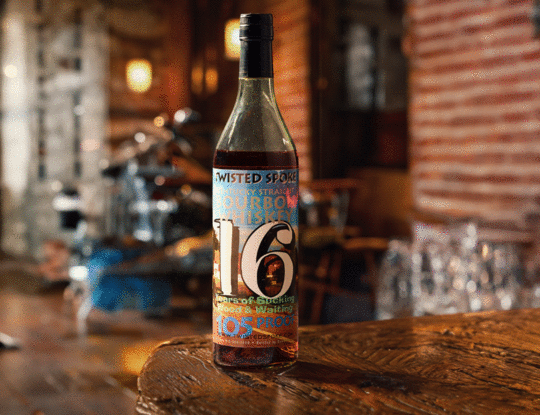
Perhaps no Van Winkle private label commands more respect among collectors than the Twisted Spoke bottling. Selected exclusively for the quirky and respected Chicago whiskey bar, this represents one of the rarest private labels ever bottled by Julian Van Winkle III. The "green glass" version stands as the ultimate prize—bottled early in the production run before Old Commonwealth switched to clear glass bottles in 1999.
Multiple bottlings were issued during Julian's Old Commonwealth era, but finding an original green glass version today requires both considerable resources and extraordinary luck.
Buy: Old Rip Van Winkle Twisted Spoke 16 Year Old
The Crown Jewel: Pappy Van Winkle 23-Year Gold Wax Green Glass
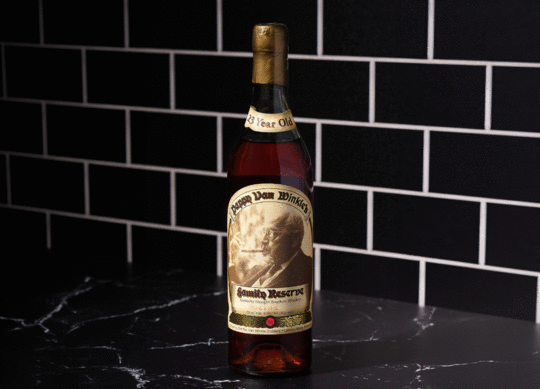
The 1998 vintage of Pappy Van Winkle's 23-Year-Old Family Reserve Bourbon represents the epitome of what collectors call a "unicorn cask." Aged a minimum of 23 years in charred white oak with a mature barrel strength of 95.6 proof, this edition launched what would become the most collectible bourbon line in history.
Originally bottled by Old Commonwealth, this first edition established the foundation for what Buffalo Trace continues as an annual limited release. With its 95-point rating from Whiskey Advocate, this 1998 vintage represents not just exceptional bourbon, but the birth of a legend that would reshape the entire premium whiskey market.
Buy: Pappy Van Winkle 23-Year Gold Wax Green Glass
The Corti Brothers Legacy: Visionary Partnerships
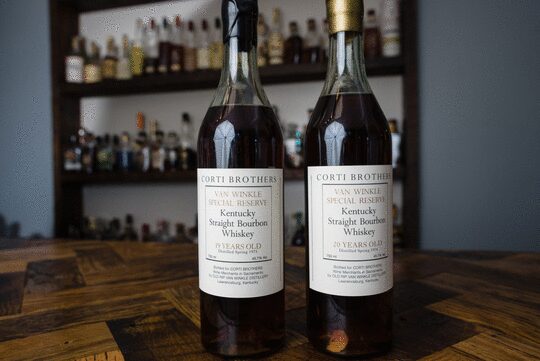
The collaboration between Julian Van Winkle III and California grocer Darrell Corti produced some of the most historically significant bourbon bottlings ever created. Their partnership began in the 1980s, during bourbon's darkest period, when distilleries were literally redistilling aged stocks because demand had evaporated.
Corti's vision extended beyond the liquid itself. Dissatisfied with Kentucky's bottle aesthetics—"The taste in bottles was terrible. Absolutely dreadful"—he introduced the cognac-style bottle that Van Winkle continues to use today. This wasn't merely packaging innovation; it was the birth of bourbon as luxury goods.
The crown jewels of the Corti Brothers line emerged in 1994: a 19-year-old Fall 1975 distillation and a 20-year-old Spring 1974 distillation. The 20-year-old gold wax release, with fewer than 500 bottles produced, represents the oldest age-stated Corti Brothers bottle ever released. This joint partnership bottling coincided with the launch of Pappy Van Winkle 20-year, leading many to speculate they share the same extraordinary whiskey source.
Buy: Van Winkle Special Reserve Corti Brothers 20 Year Old
Manhattan Exclusivity: Blue Smoke 18-Year
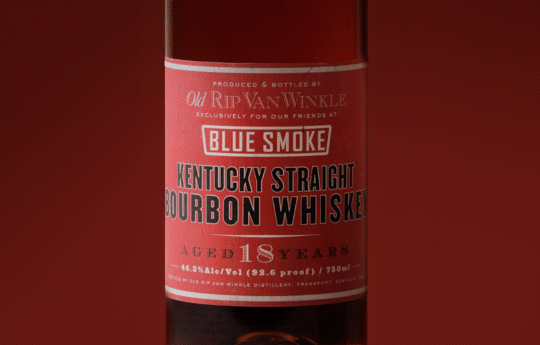
The early 2000s marked Julian Van Winkle III's transition to Buffalo Trace, but not before creating one final series of legendary private labels. Among these, the Old Rip Van Winkle 18-Year Blue Smoke stands apart. Bottled exclusively for the Manhattan BBQ restaurant in 2003, this 92.6 proof expression features perhaps the most distinctive label Van Winkle ever produced—a bold red background that immediately distinguishes it from any other Van Winkle bottling.
The Ultimate Expression: 25-Year Family Reserve
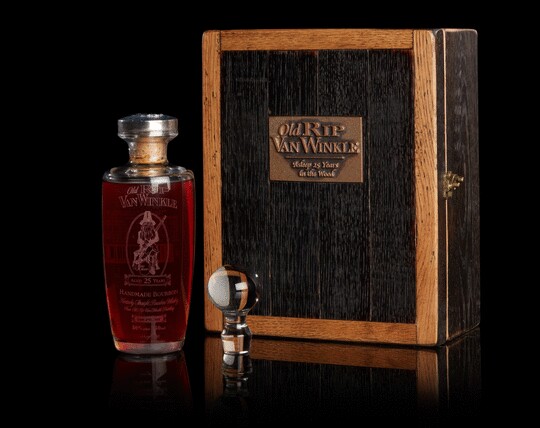
At the absolute pinnacle stands the Old Rip Van Winkle 25-Year—the "Pappy of Pappys." Released in 2014 with only 710 bottles produced, this represents the oldest Van Winkle whiskey ever released. The wheated bourbon comes from Stitzel-Weller's final production years before closing in 1992.
Presented in a wooden box with an accompanying Glencairn crystal stopper, this expression transcends bourbon into pure luxury. Recent Sotheby's auctions have seen bottles command $30,000-$35,000, establishing it not just as whiskey, but as investment-grade collectible.
Buy: Old Rip Van Winkle 25 Year Old Bourbon Whiskey
The Japanese Market Exclusives: Family Reserve Vintage Bottlings
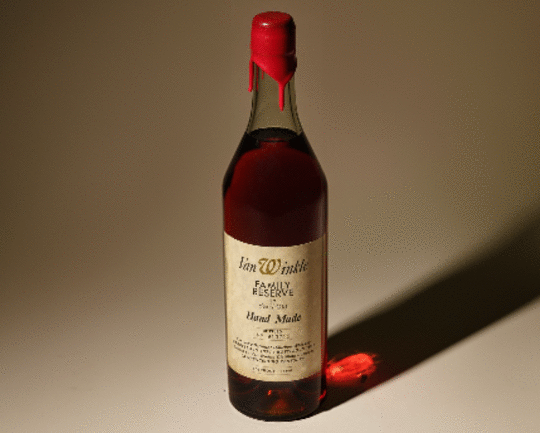
Perhaps the most mysterious entries in the Van Winkle pantheon are the Family Reserve 16 and 17-year-old vintage bottlings, exclusively exported to Japan in 1990 and 1991. These bottles, purportedly containing whiskey from the Boone distillery, represent Julian Van Winkle III's prescient understanding of international markets at a time when American bourbon was struggling domestically.
Sourced from 1974 barrels and bottled during the Old Commonwealth era, these expressions offer collectors a unique glimpse into Van Winkle's evolution from struggling brand to global phenomenon. The Japanese market's willingness to pay premium prices for well-aged bourbon provided crucial revenue during bourbon's wilderness years.
Buy: Van Winkle Family Reserve 17 Year old
Buy: Van Winkle Family Reserve 16 Year old
Investment and Legacy
The rarity of these bottles ensures their continued appreciation, both as drinking experiences and investment vehicles. As the whiskey market continues to grow, bottles that represent pivotal moments in bourbon history—particularly those with severely limited production runs—command increasing premiums.
For those fortunate enough to acquire these expressions, the question becomes whether to preserve them as investment pieces or experience them as their creators intended. Either choice represents participation in one of American whiskey's most compelling legacies.


Leave a comment
Rate the article
Your comment