'%3e %3cpath id='Path_1' data-name='Path 1' class='cls-1' d='M33.152%2c73.087c-5.193%2c4.125-13.011%2c12.178-13.879%2c16.944%2c5.2-4.766%2c15.709-7.094%2c22.07-6.614%2c38.309%2c2.891%2c34.689-14.183%2c52.281-20.449-4.67-1.121-10.781-4.894-10.442-11.779%2c6.391%2c10.182%2c15.6%2c6.933%2c18.089%2c3.14.8-1.213%2c3.84-6.748%2c1.19-6.932-2.492-.171-3.61-4.6-5.114-6.707-6.862-9.613-14.709-7.7-15.033-7.591l-8.731-4.5%2c2.71%2c9.089C75.128%2c40.517%2c73%2c44%2c69.317%2c44.148c-6.169-.212-5.256-5.075-2.8-13.715C68.257%2c24.3%2c80.083-22.176%2c0%2c13.094c0%2c0%2c51.445-8.394%2c19.53%2c16.3%2c0%2c0%2c29.082-6.532%2c17.8%2c12.658C53.213%2c39.455%2c54.369%2c56.234%2c33.152%2c73.087ZM93.424%2c50.023c-2.373%2c1.682-5.873.6-7.82-2.429s-1.6-6.837.779-8.518c2.083-1.475%2c5.04-.812%2c7.048%2c1.422a2.408%2c2.408%2c0%2c0%2c0-1.711-.008c-1.623.624-2.392%2c2.914-1.729%2c5.111s2.52%2c3.472%2c4.138%2c2.847a2.622%2c2.622%2c0%2c0%2c0%2c.971-.683A4.683%2c4.683%2c0%2c0%2c1%2c93.424%2c50.023Z'/%3e %3c/g%3e %3c/svg%3e)
'%3e %3cg id='Group_1' data-name='Group 1'%3e %3cpath id='Path_1' data-name='Path 1' class='cls-1' d='M33.152%2c73.087c-5.193%2c4.125-13.011%2c12.178-13.879%2c16.944%2c5.2-4.766%2c15.709-7.094%2c22.07-6.614%2c38.309%2c2.891%2c34.689-14.183%2c52.281-20.449-4.67-1.121-10.781-4.894-10.442-11.779%2c6.391%2c10.182%2c15.6%2c6.933%2c18.089%2c3.14.8-1.213%2c3.84-6.748%2c1.19-6.932-2.492-.171-3.61-4.6-5.114-6.707-6.862-9.613-14.709-7.7-15.033-7.591l-8.731-4.5%2c2.71%2c9.089C75.128%2c40.517%2c73%2c44%2c69.317%2c44.148c-6.169-.212-5.256-5.075-2.8-13.715C68.257%2c24.3%2c80.083-22.176%2c0%2c13.094c0%2c0%2c51.445-8.394%2c19.53%2c16.3%2c0%2c0%2c29.082-6.532%2c17.8%2c12.658C53.213%2c39.455%2c54.369%2c56.234%2c33.152%2c73.087ZM93.424%2c50.023c-2.373%2c1.682-5.873.6-7.82-2.429s-1.6-6.837.779-8.518c2.083-1.475%2c5.04-.812%2c7.048%2c1.422a2.408%2c2.408%2c0%2c0%2c0-1.711-.008c-1.623.624-2.392%2c2.914-1.729%2c5.111s2.52%2c3.472%2c4.138%2c2.847a2.622%2c2.622%2c0%2c0%2c0%2c.971-.683A4.683%2c4.683%2c0%2c0%2c1%2c93.424%2c50.023Z'/%3e %3c/g%3e %3cg id='Group_7' data-name='Group 7'%3e %3cg id='Group_3' data-name='Group 3'%3e %3cg id='Group_2' data-name='Group 2'%3e %3cpath id='Path_2' data-name='Path 2' class='cls-2' d='M123.893%2c41.35h15.468v3.2H127.38v8.412h11.981V56.2H127.38V70.687h-3.487Z'/%3e %3cpath id='Path_3' data-name='Path 3' class='cls-2' d='M157.819%2c41.35h6.893c2.79%2c0%2c4.924.082%2c6.729%2c1.477a8.107%2c8.107%2c0%2c0%2c1%2c2.749%2c6.524c0%2c4.8-2.749%2c7.345-7.919%2c7.345h-.615l11.2%2c13.991h-4.431L161.717%2c56.7h-.493V70.687h-3.4Zm3.4%2c12.761h2.667c4.6%2c0%2c6.853-.657%2c6.853-4.719%2c0-4.267-2.216-5.088-6.853-5.088h-2.667Z'/%3e %3cpath id='Path_4' data-name='Path 4' class='cls-2' d='M217.512%2c66.954a15.907%2c15.907%2c0%2c0%2c1-22.2%2c0%2c15.211%2c15.211%2c0%2c0%2c1%2c0-21.788%2c16.009%2c16.009%2c0%2c0%2c1%2c22.2%2c0%2c15.307%2c15.307%2c0%2c0%2c1%2c0%2c21.788Zm-2.626-2.339a11.841%2c11.841%2c0%2c0%2c0%2c3.528-8.535%2c12.029%2c12.029%2c0%2c0%2c0-3.528-8.617%2c11.988%2c11.988%2c0%2c0%2c0-16.987%2c0%2c12.1%2c12.1%2c0%2c0%2c0-3.529%2c8.617%2c11.911%2c11.911%2c0%2c0%2c0%2c3.529%2c8.535%2c11.891%2c11.891%2c0%2c0%2c0%2c16.987%2c0Z'/%3e %3cpath id='Path_5' data-name='Path 5' class='cls-2' d='M263.048%2c66.954a15.906%2c15.906%2c0%2c0%2c1-22.2%2c0%2c15.209%2c15.209%2c0%2c0%2c1%2c0-21.788%2c16.008%2c16.008%2c0%2c0%2c1%2c22.2%2c0%2c15.307%2c15.307%2c0%2c0%2c1%2c0%2c21.788Zm-2.626-2.339a11.841%2c11.841%2c0%2c0%2c0%2c3.528-8.535%2c12.029%2c12.029%2c0%2c0%2c0-3.528-8.617%2c11.987%2c11.987%2c0%2c0%2c0-16.986%2c0%2c12.1%2c12.1%2c0%2c0%2c0-3.53%2c8.617%2c11.912%2c11.912%2c0%2c0%2c0%2c3.53%2c8.535%2c11.89%2c11.89%2c0%2c0%2c0%2c16.986%2c0Z'/%3e %3cpath id='Path_6' data-name='Path 6' class='cls-2' d='M290.092%2c44.673H281.8V41.35h20.064v3.323h-8.247V70.687h-3.529Z'/%3e %3c/g%3e %3c/g%3e %3cg id='Group_5' data-name='Group 5'%3e %3cg id='Group_4' data-name='Group 4'%3e %3cpath id='Path_7' data-name='Path 7' class='cls-3' d='M319.829%2c41.35h6.114c3.2%2c0%2c5.539.123%2c7.385%2c1.477a7.578%2c7.578%2c0%2c0%2c1%2c2.955%2c6.237%2c5.83%2c5.83%2c0%2c0%2c1-4.349%2c6.072c3.446.534%2c5.621%2c3.283%2c5.621%2c7.222a8.684%2c8.684%2c0%2c0%2c1-2.421%2c6.113c-2.134%2c2.093-5.006%2c2.216-9.191%2c2.216h-6.114Zm3.406%2c12.843h2.708c4.718%2c0%2c6.77-1.149%2c6.77-4.719%2c0-4.226-2.134-5.088-6.77-5.088h-2.708Zm0%2c13.458h2.708c2.79%2c0%2c4.718-.082%2c5.991-.985a5.251%2c5.251%2c0%2c0%2c0%2c1.928-4.308%2c4.951%2c4.951%2c0%2c0%2c0-2.421-4.637c-1.231-.738-2.667-.779-4.472-.779h-3.734Z'/%3e %3cpath id='Path_8' data-name='Path 8' class='cls-3' d='M379.44%2c70.687h-3.774L371.85%2c61.7H360.4l-3.816%2c8.985h-3.775L366.105%2c40.2ZM361.428%2c58.706h9.355l-4.678-10.791Z'/%3e %3cpath id='Path_9' data-name='Path 9' class='cls-3' d='M399.265%2c44.673h-8.288V41.35h20.064v3.323h-8.247V70.687h-3.529Z'/%3e %3c/g%3e %3c/g%3e %3c/g%3e %3c/g%3e %3c/svg%3e)
'%3e %3cpath id='ic_search_24px' d='M16.2231 14.4225H15.229L14.877 14.0726C16.2563 12.417 16.9594 10.2752 16.8386 8.09682C16.7179 5.91848 15.7827 3.87306 14.2294 2.39001C12.6761 0.906959 10.6255 0.101638 8.50813 0.143129C6.3908 0.184619 4.37141 1.06969 2.87396 2.61252C1.3765 4.15535 0.51746 6.23593 0.47719 8.41743C0.43692 10.5989 1.21855 12.7117 2.65798 14.312C4.09741 15.9124 6.08267 16.876 8.19695 17.0004C10.3112 17.1248 12.39 16.4004 13.997 14.9793L14.3366 15.3419V16.3662L19.6879 21.8688C20.206 22.4016 21.0452 22.4012 21.5629 21.8678C22.0806 21.3344 22.081 20.4698 21.5638 19.9359L16.2231 14.4225ZM8.67572 14.4225C7.5561 14.4225 6.46163 14.0805 5.53071 13.4396C4.59978 12.7987 3.87421 11.8878 3.44575 10.8221C3.0173 9.75633 2.90519 8.58363 3.12362 7.45225C3.34204 6.32087 3.88119 5.28164 4.67288 4.46596C5.46456 3.65028 6.47324 3.0948 7.57134 2.86975C8.66944 2.64471 9.80765 2.76021 10.842 3.20165C11.8764 3.64309 12.7605 4.39065 13.3826 5.34978C14.0046 6.30892 14.3366 7.43656 14.3366 8.5901C14.3377 9.35634 14.192 10.1153 13.9079 10.8234C13.6238 11.5315 13.2069 12.1749 12.681 12.7167C12.1551 13.2585 11.5306 13.6881 10.8433 13.9808C10.156 14.2735 9.41942 14.4236 8.67572 14.4225Z' fill='black'/%3e %3c/g%3e %3cdefs%3e %3cclipPath id='clip0_2982_5371'%3e %3crect width='22' height='22.6667' fill='white' transform='translate(0.5 0.166504)'/%3e %3c/clipPath%3e %3c/defs%3e %3c/svg%3e)
 Copyright 2022 Fonticons%2c Inc. --%3e%3cpath d='M96 0C107.5 0 117.4 8.19 119.6 19.51L121.1 32H541.8C562.1 32 578.3 52.25 572.6 72.66L518.6 264.7C514.7 278.5 502.1 288 487.8 288H170.7L179.9 336H488C501.3 336 512 346.7 512 360C512 373.3 501.3 384 488 384H159.1C148.5 384 138.6 375.8 136.4 364.5L76.14 48H24C10.75 48 0 37.25 0 24C0 10.75 10.75 0 24 0H96zM475.6 240L520.6 80H131.1L161.6 240H475.6zM128 464C128 437.5 149.5 416 176 416C202.5 416 224 437.5 224 464C224 490.5 202.5 512 176 512C149.5 512 128 490.5 128 464zM512 464C512 490.5 490.5 512 464 512C437.5 512 416 490.5 416 464C416 437.5 437.5 416 464 416C490.5 416 512 437.5 512 464z'/%3e%3c/svg%3e)
What Is Light Whiskey? America's Most Misunderstood Spirit Explained
Published Feb 5th, 2026, Last updated Feb 5th, 2026
If you've been browsing whiskey shelves lately, you've probably noticed more bottles labeled "American whiskey" with impressively high age statements and equally eye-popping proofs—often at prices that seem too good to be true compared to similarly aged bourbon. Most of the time, that "American whiskey" is actually light whiskey, a federally designated spirits category with a history as fascinating as it is confusing.
The Definition: What Actually Is Light Whiskey?
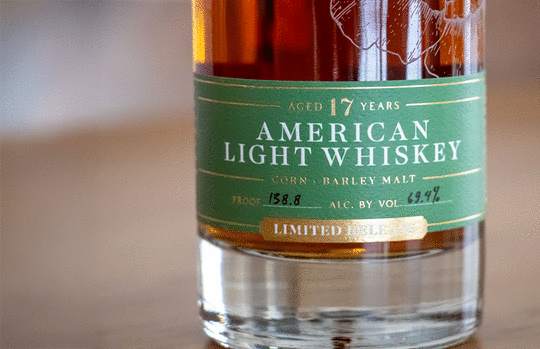
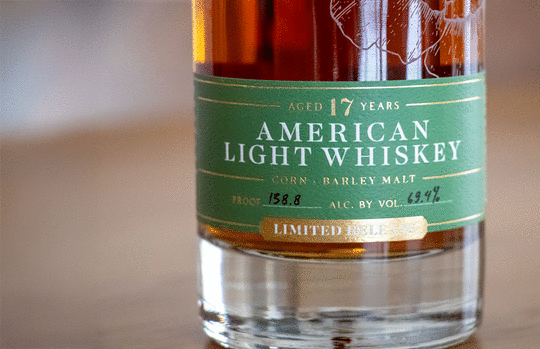
Despite what the name suggests, light whiskey isn't called "light" because it's low-calorie, pale in color, or lower in proof. In fact, it's quite the opposite. According to TTB regulations, light whiskey must be:
- Produced in the U.S.
- Distilled at more than 160 proof (80% ABV) but less than 190 proof (95% ABV)
- Aged in used or uncharred new oak containers
That's it. There are no rules about mashbill, no minimum aging requirements, and no barrel entry proof restrictions. Bourbon and rye, by contrast, can only be distilled to a maximum of 160 proof and must be aged in new charred oak barrels. Light whiskey's higher distillation proof and flexible barrel requirements result in a lighter-bodied, less assertive spirit—hence the name.
A Product of the 1960s
Light whiskey was officially recognized as a category in 1968, born from desperation during American whiskey's darkest days. Imported vodka and Canadian whisky were crushing domestic bourbon and rye in the market, and American distillers were losing ground fast. They initially petitioned the government to loosen the rules for bourbon and rye—allowing higher distillation proofs and used barrels—but regulators rejected that idea, fearing it would damage bourbon's newly minted status as America's distinctive spirit.
Instead, the government created an entirely new category: light whiskey. The vague regulations were designed to help producers create something closer to vodka and Canadian whisky in character—a "lighter" alternative that might appeal to the vodka-drinking masses. Industry giants like Seagram's, Schenley, and National Distillers jumped in with both feet, aging millions of gallons by the early 1970s and releasing brands like Crow Light and Four Roses Premium.
It was one of whiskey's biggest flops. Vodka drinkers found that light whiskey didn't work like vodka in cocktails, and bourbon lovers wanted nothing to do with it. Within a decade, light whiskey had crashed and burned, relegated to blending duties for products like Seagram's 7 Crown.
The Modern Renaissance
For decades, light whiskey lived in obscurity as a blending component. But everything changed in 2016 when High West Distillery did the unthinkable: bottling a 14-year-old MGP light whiskey as a standalone product. It was a massive gamble on a style that had been maligned for half a century, but against all odds, it succeeded. High West's release scored well with critics and kicked off a new era for the category.
Today, most modern light whiskey follows the High West blueprint: distilled by MGP from a 99% corn and 1% malted barley mashbill and aged for at least 10 years. The key difference is that newer releases tend to be bottled at cask strength—sometimes reaching "hazmat" levels above 140 proof since light whiskey can enter the barrel well above 125 proof (bourbon's legal limit).
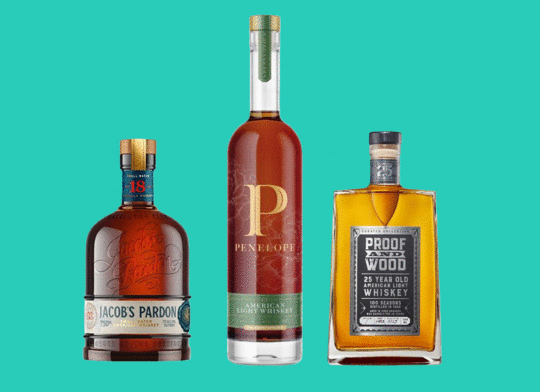
Brands like Penelope, Jacob's Pardon, Backbone Bourbon, and dozens of others have released light whiskey expressions, often labeled as "American whiskey" to avoid the negative connotations still associated with the "light whiskey" name. Some producers have even started distilling their own versions with unique mashbills—like Austin 101 in Texas, which uses wheated recipes, and La Crosse Distilling in Wisconsin, which makes a high-rye version.
Why Light Whiskey Works
The appeal of light whiskey lies in its subtle sweetness and airy profile. Think vanilla, honey, toffee, caramel, and soft fruit notes without the aggressive oak tannins of bourbon. Master blender F. Paul Pacult of Jacob's Pardon describes it as acting "as a platform for other ingredients to really shine"—whether that's the wood or other whiskeys in a blend.
This makes light whiskey incredibly versatile for cask finishing. Unlike bourbon or rye, which can fight against finishing barrels, light whiskey's less assertive character absorbs influences from wine casks, beer barrels, Armagnac, maple, honey, and more without losing its identity. Producers like Starlight Distillery and Bull Run Spirits have built reputations on creative finishing programs using light whiskey as their canvas.
The Marketing Challenge
Ask any light whiskey producer about their biggest obstacle, and they'll tell you it's the name itself. "I often hear people laugh when they hear about light whiskey because they don't know what it is and assume it's diet whiskey," says spirits historian Jacob Kiper. Even at 140+ proof, consumers see "light" and get confused.
Some brands embrace the term anyway. "Calling it light whiskey is describing it as what it is, and we're proud of it," says Tom Buchsbaum of Austin 101. Others sidestep it entirely, using "American whiskey" on labels to avoid the baggage. Jacob's Pardon's Paul Pacult is blunt: "I wish there could be another name, but I know that isn't going to happen."
What Does Light Whiskey Taste Like?
Light whiskey is characterized by concentrated sweetness—think powdered sugar, toffee, vanilla, and gentle oak. At higher ages (10+ years), it develops an intensity that's sweet without being cloying, with subtle fruit notes and a silky mouthfeel. It's less bold than bourbon, less spicy than rye, and shares more DNA with Canadian corn whisky or Scotch single grain than traditional American whiskey.
The high distillation proof means less congeners and flavor compounds from the grain, allowing the barrel influence to shine. In uncharred oak, it develops cherry-like notes and tempered sweetness. In used bourbon barrels, it picks up residual vanilla and caramel without the char aggressiveness.
The Future
The current wave of light whiskey releases relies heavily on MGP's deep stocks of aged barrels—some pushing past 25 years old. But those stocks won't last forever. As with bourbon and rye before it, the easy availability of 15+ year light whiskey will eventually dry up.
Some industry insiders worry that without big age statements, consumer interest will wane. Others see light whiskey's future less in novelty bottlings and more in its original intended use: as a blending component. "I like that we are now moving beyond bottling light whiskey and now using it in blends like what has been done in Scotland and Canada," says Eugene Nassif of Obtainium. "It has the soft, sweet notes and finish that really adds to bourbons, ryes, and even American single malt."
Whether light whiskey becomes a permanent fixture on premium shelves or returns to blending anonymity remains to be seen. But for now, it offers whiskey enthusiasts something rare: affordable, high-proof, well-aged American whiskey with unique flavor profiles. And after decades of being misunderstood, light whiskey is finally getting its moment in the spotlight.


Leave a comment
Rate the article
Your comment