'%3e %3cpath id='Path_1' data-name='Path 1' class='cls-1' d='M33.152%2c73.087c-5.193%2c4.125-13.011%2c12.178-13.879%2c16.944%2c5.2-4.766%2c15.709-7.094%2c22.07-6.614%2c38.309%2c2.891%2c34.689-14.183%2c52.281-20.449-4.67-1.121-10.781-4.894-10.442-11.779%2c6.391%2c10.182%2c15.6%2c6.933%2c18.089%2c3.14.8-1.213%2c3.84-6.748%2c1.19-6.932-2.492-.171-3.61-4.6-5.114-6.707-6.862-9.613-14.709-7.7-15.033-7.591l-8.731-4.5%2c2.71%2c9.089C75.128%2c40.517%2c73%2c44%2c69.317%2c44.148c-6.169-.212-5.256-5.075-2.8-13.715C68.257%2c24.3%2c80.083-22.176%2c0%2c13.094c0%2c0%2c51.445-8.394%2c19.53%2c16.3%2c0%2c0%2c29.082-6.532%2c17.8%2c12.658C53.213%2c39.455%2c54.369%2c56.234%2c33.152%2c73.087ZM93.424%2c50.023c-2.373%2c1.682-5.873.6-7.82-2.429s-1.6-6.837.779-8.518c2.083-1.475%2c5.04-.812%2c7.048%2c1.422a2.408%2c2.408%2c0%2c0%2c0-1.711-.008c-1.623.624-2.392%2c2.914-1.729%2c5.111s2.52%2c3.472%2c4.138%2c2.847a2.622%2c2.622%2c0%2c0%2c0%2c.971-.683A4.683%2c4.683%2c0%2c0%2c1%2c93.424%2c50.023Z'/%3e %3c/g%3e %3c/svg%3e)
'%3e %3cg id='Group_1' data-name='Group 1'%3e %3cpath id='Path_1' data-name='Path 1' class='cls-1' d='M33.152%2c73.087c-5.193%2c4.125-13.011%2c12.178-13.879%2c16.944%2c5.2-4.766%2c15.709-7.094%2c22.07-6.614%2c38.309%2c2.891%2c34.689-14.183%2c52.281-20.449-4.67-1.121-10.781-4.894-10.442-11.779%2c6.391%2c10.182%2c15.6%2c6.933%2c18.089%2c3.14.8-1.213%2c3.84-6.748%2c1.19-6.932-2.492-.171-3.61-4.6-5.114-6.707-6.862-9.613-14.709-7.7-15.033-7.591l-8.731-4.5%2c2.71%2c9.089C75.128%2c40.517%2c73%2c44%2c69.317%2c44.148c-6.169-.212-5.256-5.075-2.8-13.715C68.257%2c24.3%2c80.083-22.176%2c0%2c13.094c0%2c0%2c51.445-8.394%2c19.53%2c16.3%2c0%2c0%2c29.082-6.532%2c17.8%2c12.658C53.213%2c39.455%2c54.369%2c56.234%2c33.152%2c73.087ZM93.424%2c50.023c-2.373%2c1.682-5.873.6-7.82-2.429s-1.6-6.837.779-8.518c2.083-1.475%2c5.04-.812%2c7.048%2c1.422a2.408%2c2.408%2c0%2c0%2c0-1.711-.008c-1.623.624-2.392%2c2.914-1.729%2c5.111s2.52%2c3.472%2c4.138%2c2.847a2.622%2c2.622%2c0%2c0%2c0%2c.971-.683A4.683%2c4.683%2c0%2c0%2c1%2c93.424%2c50.023Z'/%3e %3c/g%3e %3cg id='Group_7' data-name='Group 7'%3e %3cg id='Group_3' data-name='Group 3'%3e %3cg id='Group_2' data-name='Group 2'%3e %3cpath id='Path_2' data-name='Path 2' class='cls-2' d='M123.893%2c41.35h15.468v3.2H127.38v8.412h11.981V56.2H127.38V70.687h-3.487Z'/%3e %3cpath id='Path_3' data-name='Path 3' class='cls-2' d='M157.819%2c41.35h6.893c2.79%2c0%2c4.924.082%2c6.729%2c1.477a8.107%2c8.107%2c0%2c0%2c1%2c2.749%2c6.524c0%2c4.8-2.749%2c7.345-7.919%2c7.345h-.615l11.2%2c13.991h-4.431L161.717%2c56.7h-.493V70.687h-3.4Zm3.4%2c12.761h2.667c4.6%2c0%2c6.853-.657%2c6.853-4.719%2c0-4.267-2.216-5.088-6.853-5.088h-2.667Z'/%3e %3cpath id='Path_4' data-name='Path 4' class='cls-2' d='M217.512%2c66.954a15.907%2c15.907%2c0%2c0%2c1-22.2%2c0%2c15.211%2c15.211%2c0%2c0%2c1%2c0-21.788%2c16.009%2c16.009%2c0%2c0%2c1%2c22.2%2c0%2c15.307%2c15.307%2c0%2c0%2c1%2c0%2c21.788Zm-2.626-2.339a11.841%2c11.841%2c0%2c0%2c0%2c3.528-8.535%2c12.029%2c12.029%2c0%2c0%2c0-3.528-8.617%2c11.988%2c11.988%2c0%2c0%2c0-16.987%2c0%2c12.1%2c12.1%2c0%2c0%2c0-3.529%2c8.617%2c11.911%2c11.911%2c0%2c0%2c0%2c3.529%2c8.535%2c11.891%2c11.891%2c0%2c0%2c0%2c16.987%2c0Z'/%3e %3cpath id='Path_5' data-name='Path 5' class='cls-2' d='M263.048%2c66.954a15.906%2c15.906%2c0%2c0%2c1-22.2%2c0%2c15.209%2c15.209%2c0%2c0%2c1%2c0-21.788%2c16.008%2c16.008%2c0%2c0%2c1%2c22.2%2c0%2c15.307%2c15.307%2c0%2c0%2c1%2c0%2c21.788Zm-2.626-2.339a11.841%2c11.841%2c0%2c0%2c0%2c3.528-8.535%2c12.029%2c12.029%2c0%2c0%2c0-3.528-8.617%2c11.987%2c11.987%2c0%2c0%2c0-16.986%2c0%2c12.1%2c12.1%2c0%2c0%2c0-3.53%2c8.617%2c11.912%2c11.912%2c0%2c0%2c0%2c3.53%2c8.535%2c11.89%2c11.89%2c0%2c0%2c0%2c16.986%2c0Z'/%3e %3cpath id='Path_6' data-name='Path 6' class='cls-2' d='M290.092%2c44.673H281.8V41.35h20.064v3.323h-8.247V70.687h-3.529Z'/%3e %3c/g%3e %3c/g%3e %3cg id='Group_5' data-name='Group 5'%3e %3cg id='Group_4' data-name='Group 4'%3e %3cpath id='Path_7' data-name='Path 7' class='cls-3' d='M319.829%2c41.35h6.114c3.2%2c0%2c5.539.123%2c7.385%2c1.477a7.578%2c7.578%2c0%2c0%2c1%2c2.955%2c6.237%2c5.83%2c5.83%2c0%2c0%2c1-4.349%2c6.072c3.446.534%2c5.621%2c3.283%2c5.621%2c7.222a8.684%2c8.684%2c0%2c0%2c1-2.421%2c6.113c-2.134%2c2.093-5.006%2c2.216-9.191%2c2.216h-6.114Zm3.406%2c12.843h2.708c4.718%2c0%2c6.77-1.149%2c6.77-4.719%2c0-4.226-2.134-5.088-6.77-5.088h-2.708Zm0%2c13.458h2.708c2.79%2c0%2c4.718-.082%2c5.991-.985a5.251%2c5.251%2c0%2c0%2c0%2c1.928-4.308%2c4.951%2c4.951%2c0%2c0%2c0-2.421-4.637c-1.231-.738-2.667-.779-4.472-.779h-3.734Z'/%3e %3cpath id='Path_8' data-name='Path 8' class='cls-3' d='M379.44%2c70.687h-3.774L371.85%2c61.7H360.4l-3.816%2c8.985h-3.775L366.105%2c40.2ZM361.428%2c58.706h9.355l-4.678-10.791Z'/%3e %3cpath id='Path_9' data-name='Path 9' class='cls-3' d='M399.265%2c44.673h-8.288V41.35h20.064v3.323h-8.247V70.687h-3.529Z'/%3e %3c/g%3e %3c/g%3e %3c/g%3e %3c/g%3e %3c/svg%3e)
'%3e %3cpath id='ic_search_24px' d='M16.2231 14.4225H15.229L14.877 14.0726C16.2563 12.417 16.9594 10.2752 16.8386 8.09682C16.7179 5.91848 15.7827 3.87306 14.2294 2.39001C12.6761 0.906959 10.6255 0.101638 8.50813 0.143129C6.3908 0.184619 4.37141 1.06969 2.87396 2.61252C1.3765 4.15535 0.51746 6.23593 0.47719 8.41743C0.43692 10.5989 1.21855 12.7117 2.65798 14.312C4.09741 15.9124 6.08267 16.876 8.19695 17.0004C10.3112 17.1248 12.39 16.4004 13.997 14.9793L14.3366 15.3419V16.3662L19.6879 21.8688C20.206 22.4016 21.0452 22.4012 21.5629 21.8678C22.0806 21.3344 22.081 20.4698 21.5638 19.9359L16.2231 14.4225ZM8.67572 14.4225C7.5561 14.4225 6.46163 14.0805 5.53071 13.4396C4.59978 12.7987 3.87421 11.8878 3.44575 10.8221C3.0173 9.75633 2.90519 8.58363 3.12362 7.45225C3.34204 6.32087 3.88119 5.28164 4.67288 4.46596C5.46456 3.65028 6.47324 3.0948 7.57134 2.86975C8.66944 2.64471 9.80765 2.76021 10.842 3.20165C11.8764 3.64309 12.7605 4.39065 13.3826 5.34978C14.0046 6.30892 14.3366 7.43656 14.3366 8.5901C14.3377 9.35634 14.192 10.1153 13.9079 10.8234C13.6238 11.5315 13.2069 12.1749 12.681 12.7167C12.1551 13.2585 11.5306 13.6881 10.8433 13.9808C10.156 14.2735 9.41942 14.4236 8.67572 14.4225Z' fill='black'/%3e %3c/g%3e %3cdefs%3e %3cclipPath id='clip0_2982_5371'%3e %3crect width='22' height='22.6667' fill='white' transform='translate(0.5 0.166504)'/%3e %3c/clipPath%3e %3c/defs%3e %3c/svg%3e)
 Copyright 2022 Fonticons%2c Inc. --%3e%3cpath d='M96 0C107.5 0 117.4 8.19 119.6 19.51L121.1 32H541.8C562.1 32 578.3 52.25 572.6 72.66L518.6 264.7C514.7 278.5 502.1 288 487.8 288H170.7L179.9 336H488C501.3 336 512 346.7 512 360C512 373.3 501.3 384 488 384H159.1C148.5 384 138.6 375.8 136.4 364.5L76.14 48H24C10.75 48 0 37.25 0 24C0 10.75 10.75 0 24 0H96zM475.6 240L520.6 80H131.1L161.6 240H475.6zM128 464C128 437.5 149.5 416 176 416C202.5 416 224 437.5 224 464C224 490.5 202.5 512 176 512C149.5 512 128 490.5 128 464zM512 464C512 490.5 490.5 512 464 512C437.5 512 416 490.5 416 464C416 437.5 437.5 416 464 416C490.5 416 512 437.5 512 464z'/%3e%3c/svg%3e)
Blog
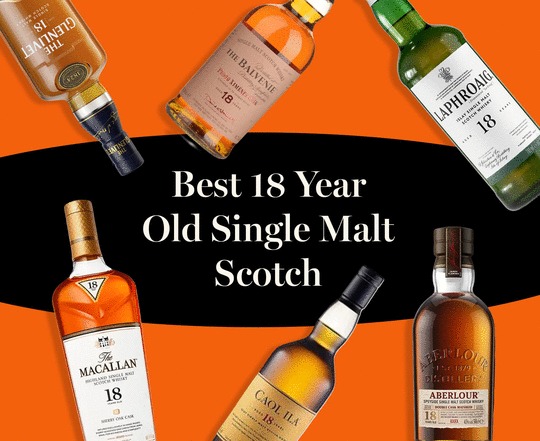
If there's a sweet spot in aged single malt Scotch, many would argue it's 18 years. Old enough to carry serious depth and complexity, young enough to retain vibrancy and freshness. Too young and you're leaving flavour on the table. Too old and the oak can start to dominate. At 18 years, the best distilleries hit their stride. Here are five expressions that prove the point.
Tamdhu is a distillery that doesn't get nearly the attention it deserves, and the 18 Year Old is a strong argument for changing that. Matured exclusively in Oloroso sherry casks for 18 years, bottled at 46.8% ABV without chill filtration and at natural colour, it earned Double Gold at the 2025 San Francisco World Spirits Competition and Gold at the 2025 ISC. Dense and mouth-coating with dried fruits, chocolate, vanilla, and brown sugar, finishing with dried apricot, dates, and stewed apple. Rich, structured, and deeply sherried in the best possible way. If you've been sleeping on Tamdhu, this is a good place to wake up.
Buy: Tamdhu 18 Year Old
Aberlour's 18 Year Old doesn't just compete with Macallan 18, some tasters genuinely prefer it. A double sherry finish in first-fill Oloroso and PX butts delivers rum-soaked raisins, cherries, blood orange, and chocolate on the nose, with vanilla, stewed berries, hazelnuts, and polished wood on the palate. Non-chill filtered and uncoloured at 43% ABV, it earned Gold and 96 points at the IWSC 2024. At its price point, it's arguably the best value 18-year-old in Speyside, full stop.
Buy: Aberlour 18 Year Old Double Sherry Cask Finish
Most of Caol Ila's production disappears into blends, which makes the 18 Year Old all the more special. It has genuine cult status among Islay enthusiasts, and for good reason. Nearly two decades in ex-bourbon casks softens and integrates the smoke in a way the younger expressions simply can't match. Bottled at 43% ABV, herbal vanilla, wax, sandalwood, and caramel sit underneath a big, characterful smokiness. If you've only ever tried the 12 Year Old, the 18 is a different experience entirely. Exceptionally hard to find in the US, which only adds to the allure.
Buy: Caol Ila 18 Year Old
There's a reason the Macallan 18 Year Old Sherry Oak is the benchmark by which other sherried single malts are measured. Matured exclusively in seasoned Spanish Sherry oak casks from Jerez, it delivers everything Macallan does best: vanilla, cinnamon, dried fruit, rich chocolate, and a woody spice that lingers long after the glass is empty. Bottled at 43% ABV, it's not the most surprising whisky on this list, but it doesn't need to be. Some expressions earn their reputation the hard way, and this is one of them.
Buy: The Macallan 18 Year Old Sherry Oak
The Balvenie PX Cask 18 takes the top spot, and it's not particularly close. PX finishing isn't new to the whisky world, but The Balvenie has done something genuinely special here, drawing out juicy raisin, dark fig, and exotic wood on the nose before the palate opens up with grape must, clove, orange oil, and black licorice. The finish is long, lightly spiced, and deeply satisfying, with sandalwood, currants, and brûléed sugar seeing you out. Drinkhacker rated it an A. One of the finest 18-year-old expressions currently available from any distillery, at any price.
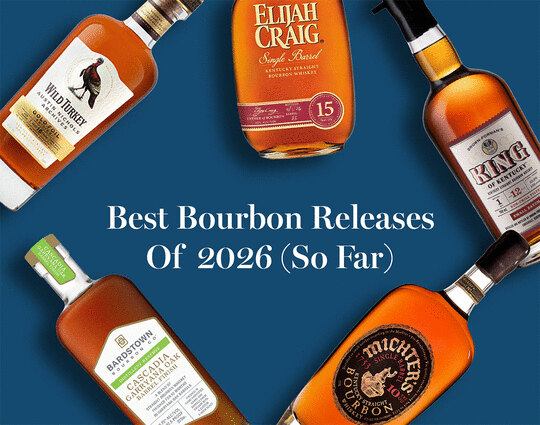
We're not even halfway through the year and 2026 has already delivered some seriously impressive bourbon. From long-awaited age statements to cult-favorite annuals doing their best work yet, the best bourbons of 2026 so far have genuinely raised the bar. Here's our countdown of the releases that have turned the most heads.
Booker's releases are reliably good, but the Big Easy Batch is something else. Named for New Orleans, a city that held a legendary place in founder Booker Noe's heart, this 7-year, 2-month, 15-day release is bottled uncut and unfiltered at a hefty 129.1 proof. It's a big, rye-driven bourbon that opens with cloves, black pepper, and charred rosemary before the palate finds its balance with cherry, raisin, tangerine, and brown sugar. The finish doubles down on black tea and spice. Is it the best Booker's batch in recent memory? A strong case can be made. We strongly recommend it as the base for an outstanding old fashioned.
Buy: Booker's Bourbon "Big Easy Batch" 2026-01
Cigar blends had their moment a couple of years ago and most people wrote them off. Barrel Craft Spirits didn't get the memo, and thank goodness for that. Their first-ever Cigar Blend has generated more genuine buzz than almost anything else released this year, and it's earned every bit of it. Opening with fruit, fried oak, and tobacco leaf, the midpoint brings stewed red fruits, mixed berry jam, leather, and rye spice before a complex finish of brown sugar, black peppercorn, and clove. At its price point, it's one of the best value pours of 2026 and a legitimate rival to the Joseph A. Magnus Cigar Blend.
Few annual releases carry the weight of expectation that Michter's 10 Year does, and the 2026 edition continues the tradition of being just slightly off-profile from its predecessors in the best possible way. This year's release leans into candy and stone fruit, with cotton candy, nougat, toasted hazelnut, candied orange, and cooked cherries leading the way. The palate is rich, lightly syrupy, and perfectly oaked, with a toffee note that carries just a hint of bitterness, like someone pulled the sugar off the heat ten seconds too late. It works beautifully.
Buy: Michter's 10 Year Single Barrel Bourbon (2026)
Maker's Mark made waves in 2025 when they released their first new mashbill in 70 years with the debut Star Hill Farm Wheat Whiskey. The 2026 edition takes a radically different direction, and arguably a more exciting one. Where the 2025 release leaned into dark raspberry, barrel char, and blackberry with a drier, more astringent profile, the 2026 edition is vibrant and expressive from first sniff to final sip. Built from a mashbill of 62% malted wheat, 27% wheat, and 11% malted barley, incorporating hard red and hard white wheat alongside the soft red winter wheat of the previous release, the result is a nose of fresh strawberries, honeyed apricot, peach, and marmalade, with a palate of chocolate-covered cherry, vanilla, honey, and ginger. It's a tale of two cities between the two releases, and wheat whiskey fans are the winners either way.
Bardstown Bourbon Company's Distillery Reserve line has been one of the most interesting ongoing series in American whiskey, and the first 2026 entry continues that run of form. A blend of 9-10 year Kentucky and Indiana bourbons finished for 10 months in Garryana oak, a Pacific Northwest native species more commonly associated with American single malts like Westland, the Cascadia delivers a soft, bakery-forward experience that turns unexpectedly dynamic. Cinnamon buttercream, coffee ice cream, and maple syrup on the nose. Cocoa, vanilla, and toasted marshmallow on the palate. Then a finish that catches you off guard with a sharp ramp of black pepper and allspice before settling into candied walnut and dry oak.
Buy: Bardstown Bourbon Company Distillery Reserve: Cascadia Garryana Oak Barrel Finish
High West's Bourye has quietly built one of the most loyal followings in American whiskey, and the 2026 edition makes a compelling case for being the best version yet. The big change this year is proof, up to 101 from the more typical 92, and it suits the blend beautifully. Drawing entirely from MGP stock this year, a blend of high-rye and standard bourbons alongside 95% rye and High West's own 80% rye, the whiskey opens with orange, apricot, caramel, and dark chocolate before the palate delivers ginger, orange peel, cinnamon, clove, and a curious alpine cedar note. The finish is earthy and warm, lavender and tea leaf rounding things out with what one reviewer described as "a warm hug." Rated A. The higher proof is the right call.
Heaven Hill hasn't released a mainstream age-stated Elijah Craig expression since the 18-year-old back in 2015, so the arrival of the 15-year-old single barrel felt like a genuine event, and the whiskey delivered. Bottled at 108 proof, a nod to May 4, 1964, when Congress officially recognised bourbon as a distinct American product, it's a deeply barrel-driven expression built around the standard Heaven Hill mashbill of 78% corn, 10% rye, and 12% malted barley. Smudged sage, charred rosemary, and heavy oak on the nose give way to a palate of chocolate-cherry, grape soda, vanilla frosting, and brown sugar. The finish is where it really shines, creamy, warm, and lingering. Robb Report scored it 97 points and called it a potential top-five whiskey of the year.
Buy: Elijah Craig 15 year Old Single Barrel Bourbon
Jack Daniel's age-stated series has been one of the more interesting ongoing experiments in American whiskey since its 2022 debut, and Batch 4 of the 12-year continues a slow but deliberate evolution. Where Batch 1 is still talked about as the high-water mark of the series, rich with red fruit and sweet aged oak, each subsequent release has dialled back the fruit and let the oak take a more prominent role. Batch 4 is the most oak-forward yet. Cherry, cinnamon churro, maple syrup, and graham cracker on the nose. Leather, cherry, vanilla, and burnt sugar on the palate before a spicy peppercorn kick. The finish brings aged dry oak, stewed cherries, and lingering cinnamon spice. It won't dethrone Batch 1 in the hearts of fans, but oak lovers will find plenty to appreciate.
Buy: Jack Daniel's 12 Year (Non-Vintage)
This year's King of Kentucky sparked more debate than any other release on this list. Brown-Forman made three significant changes for 2026: departing from the brand's traditional single barrel format, introducing a new mashbill, and downsizing to a 700ml bottle. Purists were not pleased. But here's the thing, the whiskey is excellent. A celebration of the 250th anniversary of Kentucky County, this small batch blends bourbon up to 18 years old for a classic, considered profile. Rich brown sugar, baking spices, and buttered pie crust on the nose. Vanilla, cinnamon, cardamom, and anisette on the palate, finishing with aged oak and warming spice. Two things can be true at once: this is a great bourbon, and it is probably overpriced. The single barrel expression is still expected later in 2026 for those who won't accept the format change.
Buy: King of Kentucky 12 Year Old Small Batch Bourbon
If there's one release that has dominated the conversation in American whiskey in 2026, it's this one. Named for the legendary "Cheesy Gold Foil" Wild Turkey bottles from the mid-1980s and early 1990s, original dusties that now command thousands of dollars at auction, the Gold Foil Edition is the launch release of the new Austin Nichols Archives Collection, blended by third-generation distiller Bruce Russell. The idea was simple and ambitious in equal measure: recreate the richness, funk, and depth of vintage Wild Turkey using 16-year-old bourbon at 120 proof, without chill filtration. By most accounts, it worked. Kola nuts, brown sugar, date syrup, smoked honey, and leather on the nose. Black cherries, earthy funk, damp tobacco, and peppercorn on the palate. A long, silky finish of honey, vanilla, and cream soda. Many have already called it the release of the year. When the full picture of the best bourbons of 2026 is written at year's end, Gold Foil Edition will almost certainly be near the top.
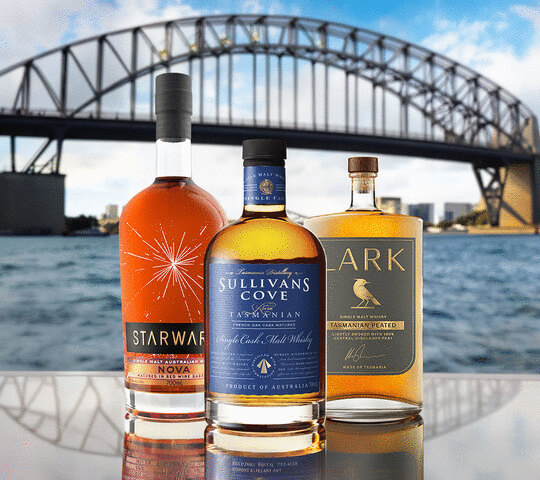
When most people think of world-class whisky, their minds jump to Scotland, Japan, or maybe Kentucky. But Australia? The Land Down Under has quietly become one of the most exciting whisky-producing regions in the world, with Tasmanian and mainland distilleries consistently winning top international awards and redefining what modern whisky can be.
Australian whisky has a surprisingly tumultuous history. Tasmania's Prohibition Distillation Act effectively killed the industry for decades until 1992, when Bill Lark began distilling at home and opened the first whisky distillery on the island since the 1830s. By the early 1990s, Australian whisky had a terrible reputation, mass-produced, low-quality spirits considered vastly inferior to imports. The craft whisky movement that emerged changed everything, focusing on quality over quantity.
Australian whisky distilleries use the same double pot still method employed in Scotland, but without deep customs or centuries-old traditions dictating decisions, Australian distillers have embraced experimentation in ways their Scottish counterparts rarely can.
Melbourne's temperature swings accelerate maturation, allowing distilleries like Starward to achieve flavor complexity faster than in cooler climates. Tasmania's pristine water and perfect barley-growing conditions create an ideal environment, earning the island a reputation as Australia's premier whisky region.
Taking advantage of Australia's world-class wine industry, many distilleries mature whisky exclusively in ex-wine barrels. Starward uses only ex-wine casks from the Barossa Valley, creating a distinctly Australian flavor profile.
lends a unique character. Many Australian distilleries use brewing barley, which has a slightly different and stronger flavor than traditional distilling barley.
The turning point came in 2014 when Sullivan's Cove won World's Best Single Malt at the World Whiskies Awards, with their French Oak Cask single Malt Whisky, the first time a distillery outside Scotland or Japan claimed the title. The accolades haven't stopped. Sullivan's Cove won World's Best Single Cask Single Malt again in 2018 and 2019. In 2020, Sydney's Archie Rose Distillery won World's Best Rye Whisky. In 2022, Starward became the most awarded distillery at the San Francisco World Spirits Competition, earning 15 gold and double gold medals and Distillery of the Year, the first Australian distillery to receive that honor.
- Often called the grandfather of Australian craft whisky, Bill Lark kickstarted the revival in 1992. In 2015, he was inducted into the Whisky Hall of Fame, the first from the Southern Hemisphere. Lark has won multiple World Whiskies Awards, cementing its status as an Australian legend.
- Established in 1994, Sullivan's Cove's 2014 World's Best Single Malt win changed Australian whisky forever. In 2022, they won Craft Distiller of the Year at the World Whiskies Awards.
- Founded in 2004, Starward has become Australia's largest whisky producer and first commercial-scale single malt distillery. Their wine cask edition uses exclusively ex-wine casks from Barossa Valley, and Melbourne's climate accelerates maturation. Their 2022 San Francisco sweep proved Australian innovation can compete with centuries-old traditions.
- The first new distillery to open in Sydney since 1853, initially known for gin and vodka. Just two years after releasing rye malt whisky in 2018, they won World's Best Rye Whisky—a stunning achievement.
- Among very few distilleries globally that grows all its own grain, malts, ferments, distills, and barrel ages on-site. Founder Peter Bignell built his copper pot still from scratch and fires it with biofuel made from used cooking oil. Farm-to-glass whisky in the most literal sense.
Since the revival following Tasmania's Prohibition Distillation Act, brands like Lark, Starward, Sullivan's Cove, and Hellyers Road have consistently topped lists for whisky collectors worldwide, gathering countless awards. Tasmania has become the whisky-region-to-watch, but mainland distilleries in Melbourne and Sydney prove that world-class whisky isn't limited to one island. If you haven't explored Australian whisky yet, now's the time. These aren't novelty bottles from an unexpected region—they're legitimately world-class spirits that have earned their place among the finest whiskies produced anywhere on the planet.
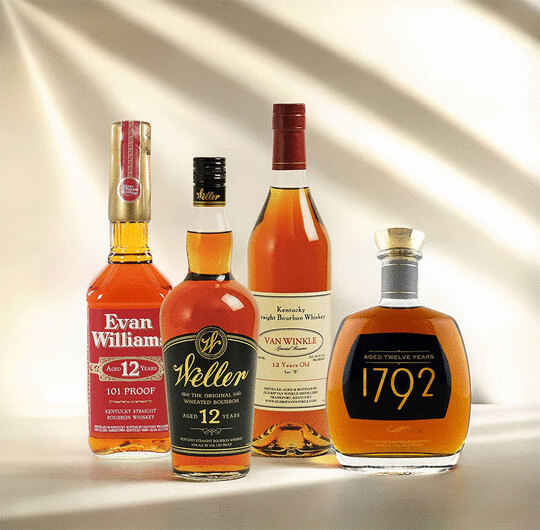
Let's get this out of the way- older bourbon isn't always the best bourbon. But there is a sweet spot that a lot of bourbon can hit somewhere between six and 15 years that just works. Beyond 15 years and the bourbon can get very tannic (woody and bitter); younger than six years and you'll get more goopy porridge and plasticky vanilla.That's why so many of the greats in the bourbon arena are 8, 10, 12, and 15 years old. Michter's 10 Year Single Barrel Bourbon, Pappy Van Winkle 15 Year, and Weller 12 Year are all icons for a reason.
Here are our top five 12-year bourbons worth seeking out in 2026.
If there's one bourbon that defined what a 12-year age statement could be, it's Weller 12 Year. This is the bourbon that paved the way for the entire category, setting the standard that others have been chasing ever since. The consistency alone is remarkable- as our partners at Breaking Bourbon put it: "I've had many batches of Weller 12 Year over the years and can say I've never had a bad one." That's a statement few bourbons can claim, especially over decades of production. This is about its flavors, overall balance, and dialed-in intensity. Few bourbons get it as right as Weller 12 does, erring on the side of sweet fruit notes in a way that many bourbon drinkers find very appealing. When Weller 12 gets it right, it gets it really right—and that's when the hype becomes exacerbated. It's a beautifully scripted bourbon featuring excellent flavors, delightful balance, and an extremely satisfying sip and earns our number 1 spot for best 12 year old bourbon to drink in 2026.
Lot B is a crowd pleaser- simple as that. It's sweet and fruity and easy to enjoy, with apple, apricot, cherry, vanilla, and mild oak on the nose. The palate is surprisingly sweet with apricot, cherry, peach, and mild oak, finishing with cherry and oak that's quite palatable. It has the most in common with Pappy 20 Year with its fruit-forward palate than any of the other Van Winkle bourbons, making it feel like a bridge between the younger and older expressions. It's often the most overlooked in the collection, probably due to its lackluster labeling- it deserves better. The verdict? It's good. Really, really good. If you can get your hands on a bottle, do so immediately.
Knob Creek 12 Year is a reminder that bourbon doesn't need to be high octane barrel proof, a limited edition special release, or even a single barrel to offer a fantastic sip that's available year-round. Originally positioned as a limited edition when released in late 2019, it now joins Knob Creek 9 Year as part of the standard small batch lineup. Compared to standard Knob Creek releases of the past, 12 Year delivers the richest flavor profile to date. That flavor comes at a premium price, and many may pause at the cost—but in this case, the price justifies the sip and is worth seeking out. Jim Beam has been adding age to their Small Batch Collection in recent years, and sometimes the extra age works in the bourbon's favor. This is one of those times where it's absolutely worth paying a premium for an age-stated bourbon.
Eagle Rare 12 Year offers a familiar yet slightly tweaked profile compared to its 10 Year counterpart, featuring more prominent oak and baking spice notes with an excellent warm brown sugar note that many won't be able to resist. For many bourbon drinkers, Eagle Rare 12 Year strikes a perfect sweet spot in terms of price, proof, age, and flavor. Buffalo Trace says it will be an ongoing product, though that typically doesn't mean much when it comes to the company's high-demand releases, which tend to go for more than asking price. With over 9 million barrels aging in their rickhouses, at some point the company will have to loosen its doors. Enthusiasts will be curious simply because it's a new Buffalo Trace product and will enjoy dissecting the difference between it and the 10 Year. If you're a fan of the 10 Year, the 12 Year takes everything you love and dials it up slightly.
Even with its high price and limited availability, Evan Williams 12 Year 101 Proof is a classic bourbon sip at heart, making it a bottle that should be on everyone's list when they find themselves in Louisville, Kentucky. For years this was known as the red-labeled Evan Williams export-only bourbon sold exclusively in Japan. Since the opening of the Evan Williams Experience in downtown Louisville in 2013, consumers have been able to purchase it at the distillery as a U.S. exclusive while it continues to be exported to Japan. This bourbon owns every single year of its age and proof, resulting in a bourbon full of simple classic flavors bound to please all who try. It's a clear reminder that age and proof aren't the gold standards of greatness—it's the best expression of the brand many have tasted to date. It truly is a shame this bourbon is so hard to come by.
Twelve years represents bourbon's sweet spot; old enough for serious complexity and integration, young enough to avoid excessive oak tannins. These five expressions prove that when distilleries get 12 years right, the results are exceptional. Whether you're drawn to Weller's sweet fruit-forward profile, Lot B's crowd-pleasing approachability, Knob Creek's rich depth, Eagle Rare's familiar-yet-elevated character, or Evan Williams' classic simplicity, there's a 12-year bourbon here worth the hunt and the investment.
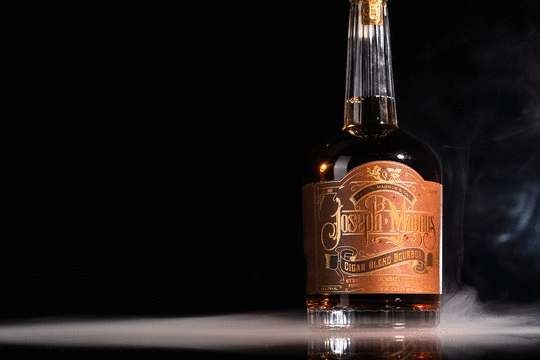
If you've been browsing bourbon shelves lately, you've probably noticed bottles labeled "Cigar Blend," "Cigar Cut," or "Cigar Batch." But what does that actually mean? Here's the story behind one of bourbon's newest and loosest designations.
Master blender Nancy Fraley is credited with coining the term "cigar blend bourbon" while working at Joseph Magnus & Co. The story goes that one evening she was smoking a pipe and drinking bourbon, finding that the flavors were just a little lacking for the experience she wanted. What she concocted was a blend of older whiskies (aged 11-18 years) finished in Cognac, Sherry, and Armagnac casks—flavors intended to be bold enough to hold up against tobacco and pair well with a fine cigar.
The first batch of Joseph Magnus Cigar Blend was released in late 2016, and the term quickly caught on across the industry. But Fraley's inspiration didn't come from nowhere—she was paying homage to a long tradition in France, where Cognac makers have created "cigare blends" designed specifically to pair with cigars for decades. Examples include Cognac Frapin Cigar Blend XO, Hine Cognac XO Cigar Reserve, and Cognac Park XO Cigar Blend dating back years. There's even Dalmore Cigar Malt, a single malt Scotch first introduced in 1999.
Here's the catch: there's no strict definition or widely agreed-upon use case for what makes a bourbon a "cigar blend." As Terry Lozoff of Latitude Beverage explains, "While there is no official definition for a 'Cigar Blend,' there is history to the term. In American whiskey, Cigar Blends have typically involved a combination of finishes, with Armagnac and/or Cognac being a favored choice."
Most cigar blend bourbons seem to fall into two categories:
These are blends combining whiskey finished in various casks—typically some combination of Cognac, Armagnac, and Sherry barrels, often with Port thrown in. Examples include Joseph Magnus Cigar Blend (Cognac, Sherry, Armagnac finishes), Old Elk Cigar Cut (Port, Sauternes, Sherry, or Rum barrel finishes), and Penelope Cigar Sessions 01 American Whiskey.
Amburana is a type of Brazilian oak that imparts a distinctly strong, sweet flavor profile, think cinnamon toast crunch or liquid churro. When tasters encounter amburana, the notes are very distinct and sometimes overpowering. Examples include Starlight Cigar Batch and Rare Character Cigar Batch.
Why do these finishes work with cigars? According to Fraley, it comes down to a specific aroma called "rancio" that develops in aged spirits, particularly those distilled on the lees. "Over time, it develops notes that are somewhat nutty, earthy, even a little buttery, with some notes of pipe tobacco," she explains. "Needless to say, this note pairs well with cigars."
Joseph Magnus Cigar Blend actually touts "bold, rich aromas of tobacco" in its marketing. The whiskies are aged longer (typically 11-18 years for Magnus, minimum 6 years for Old Elk) and the finishing periods vary from a few months to two years depending on the producer.
Not necessarily. While these bourbons were designed to pair with cigars, many brands have broadened the appeal. Old Elk's Production Manager Melinda Maddox describes Cigar Cut as "designed to celebrate the summer moments we all cherish, whether that be enjoying a sunset and a nice glass of whiskey, getting the family together, or going on vacation with friends", making no mention of cigars at all.
The general idea seems to be a spirit that's spent time in unique barrel combinations, possibly (but not necessarily) giving off tobacco-like notes. The proof points tend to range from around 100 proof up into the 120s, though most have settled around 115 proof.
"They sell!" says Jimmy Underwood of Good Times Bourbon bluntly. And he's not wrong, you can't spend time on bourbon Instagram, Facebook, or Reddit without encountering cigar batch releases, and whiskey collectors scramble to grab them.
The typical flavor profile? Expect dark dried fruits like raisin, dried apricots, and dried cranberries, sometimes with notes that almost resemble scotch. The palate is usually thick, rich, and decadent with those dried fruit notes carrying through, often with honey and chocolate-covered raisin on the finish. The combination of older whiskey and multiple cask finishes creates complexity that stands up to bold flavors—whether that's a fine cigar or just a quiet evening.
Cigar blend bourbon has no official definition, but it generally means whiskey finished in multiple interesting casks (often Cognac, Armagnac, Sherry, or Amburana) with bold flavors designed to hold their own against tobacco. Whether you're an actual cigar smoker or just appreciate complex, richly flavored bourbon, these releases offer something different from standard expressions. Just don't expect consistency across brands, each producer interprets "cigar blend" their own way, which is both the frustration and the fun of this loosely defined category.
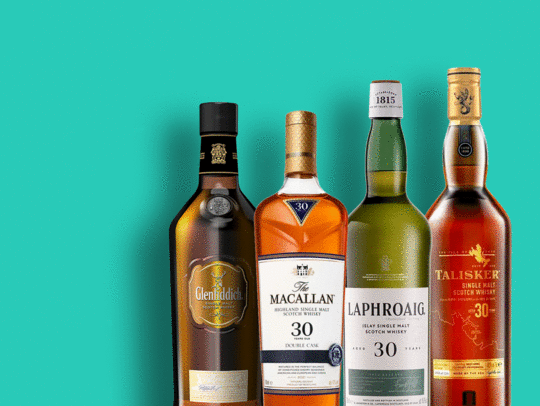
Is 30 years the golden age for single malt Scotch? Many would argue yes. By the time whisky reaches three decades in oak, it represents the pinnacle offering of many distilleries—a rare intersection of patience, craft, and extraordinary flavor development that few spirits can match.
By the time whisky reaches 30 years old, it's been in oak for 120 different seasons, absorbing flavor from the wood and losing alcohol gradually to the Angel's Share (between 2-5% evaporation per year per barrel). The result is incredibly rare—you'll find very, very few whiskies of this age, and those that exist represent unique pieces of history. There's something special about milestone whiskies. Big, round numbers appeal to us, and with so little liquid available at this age, distilleries put tremendous care into selection and blending. These expressions are highly sought-after by connoisseurs and make fabulous gifts for milestone birthdays, anniversaries, and special events. Looking for the perfect present for someone's 30th birthday? A bottle of 30-year-old Scotch is hard to beat. If your eager to purchase a 30-year-old bottle, be sure to check out our 30 Year Old Scotch Collection.
Choosing the "best" 30-year-old Scotch comes down to personal preference and style, but these five expressions represent the pinnacle of what three decades in oak can achieve:
Matured for 30 years in sherry seasoned American and European oak casks, this showcases Macallan's unwavering commitment to barrel selection. Expect decadent notes of honeycomb, sweet toffee, red apple, fig, vanilla pod, cinnamon, ginger, and dried fruits. Bottled at 43% ABV, this represents Macallan at its most refined and elegant.
Bold, aromatic, and enticing with golden pear, vanilla, crystallized honey, and characteristic salinity on the nose, followed by thick-textured palate delivering golden fruits, toffee, peppercorn, clove, and cacao. The finish is sweet, salty, intensely rich, and slightly tannic—Campbeltown whisky at its absolute peak. Bottled at 46% ABV, this collectible expression demonstrates why Springbank remains one of Scotland's most respected distilleries.
Matured in the finest Spanish Oloroso and Fino sherry casks personally selected by Chairman John Grant, this delivers polished copper color with orange cake, juicy malt, and fruit mince pie on the nose. Almost chewy in texture with sublime harmony of honeyed malt, Christmas pudding, buttered raisin bread, and caramel fudge. Distinguished by its subtle staying power and bottled at 43% ABV.
Surprisingly clean and youthful for a 30-year-old, this delivers sea breeze freshness, vanilla malt, polished oak spice, smoked seaweed, and lightly tarred boat docks. Mature yet still quite powerful, earning 93 points and praised as "much fresher and more infinitely entertaining than the 25 Year Old!" For those who love Islay-style peat with coastal character, this is essential drinking.
Bottled at 46.3% ABV and non-chill filtered, this unpeated Islay delivers saltwater taffy, Heath Bar toffee, and blackstrap molasses with gentle fruity sweetness building to strawberry, cherry candy, and condensed milk caramel. The finish brings cooling peppermint and dry sparkling white grape juice with lasting complexity. Represents unpeated Islay whisky at its finest.
You're getting rarity—after 30 years and significant Angel's Share evaporation, there simply isn't much liquid left. You're getting history, whisky distilled when the world looked very different. You're getting complexity that younger whiskies cannot replicate, no matter how well-made. And you're getting the culmination of a distillery's vision executed over three decades.
For milestone celebrations, serious collectors, or anyone who appreciates the pinnacle of what Scotch whisky can achieve, 30-year expressions deliver something genuinely special. These aren't everyday drams—they're occasions in a glass, representing the very best of what patient maturation and expert distilling can create. After 120 seasons in oak, they've earned their place at the top.
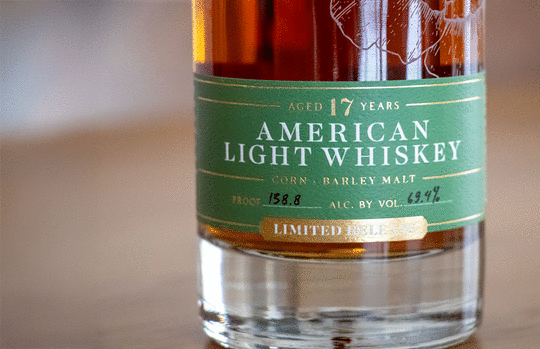
If you've been browsing whiskey shelves lately, you've probably noticed more bottles labeled "American whiskey" with impressively high age statements and equally eye-popping proofs—often at prices that seem too good to be true compared to similarly aged bourbon. Most of the time, that "American whiskey" is actually light whiskey, a federally designated spirits category with a history as fascinating as it is confusing.
Despite what the name suggests, light whiskey isn't called "light" because it's low-calorie, pale in color, or lower in proof. In fact, it's quite the opposite. According to TTB regulations, light whiskey must be:
That's it. There are no rules about mashbill, no minimum aging requirements, and no barrel entry proof restrictions. Bourbon and rye, by contrast, can only be distilled to a maximum of 160 proof and must be aged in new charred oak barrels. Light whiskey's higher distillation proof and flexible barrel requirements result in a lighter-bodied, less assertive spirit—hence the name.
Light whiskey was officially recognized as a category in 1968, born from desperation during American whiskey's darkest days. Imported vodka and Canadian whisky were crushing domestic bourbon and rye in the market, and American distillers were losing ground fast. They initially petitioned the government to loosen the rules for bourbon and rye—allowing higher distillation proofs and used barrels—but regulators rejected that idea, fearing it would damage bourbon's newly minted status as America's distinctive spirit.
Instead, the government created an entirely new category: light whiskey. The vague regulations were designed to help producers create something closer to vodka and Canadian whisky in character—a "lighter" alternative that might appeal to the vodka-drinking masses. Industry giants like Seagram's, Schenley, and National Distillers jumped in with both feet, aging millions of gallons by the early 1970s and releasing brands like Crow Light and Four Roses Premium.
It was one of whiskey's biggest flops. Vodka drinkers found that light whiskey didn't work like vodka in cocktails, and bourbon lovers wanted nothing to do with it. Within a decade, light whiskey had crashed and burned, relegated to blending duties for products like Seagram's 7 Crown.
For decades, light whiskey lived in obscurity as a blending component. But everything changed in 2016 when High West Distillery did the unthinkable: bottling a 14-year-old MGP light whiskey as a standalone product. It was a massive gamble on a style that had been maligned for half a century, but against all odds, it succeeded. High West's release scored well with critics and kicked off a new era for the category.
Today, most modern light whiskey follows the High West blueprint: distilled by MGP from a 99% corn and 1% malted barley mashbill and aged for at least 10 years. The key difference is that newer releases tend to be bottled at cask strength—sometimes reaching "hazmat" levels above 140 proof since light whiskey can enter the barrel well above 125 proof (bourbon's legal limit).
Brands like Penelope, Jacob's Pardon, Backbone Bourbon, and dozens of others have released light whiskey expressions, often labeled as "American whiskey" to avoid the negative connotations still associated with the "light whiskey" name. Some producers have even started distilling their own versions with unique mashbills—like Austin 101 in Texas, which uses wheated recipes, and La Crosse Distilling in Wisconsin, which makes a high-rye version.
The appeal of light whiskey lies in its subtle sweetness and airy profile. Think vanilla, honey, toffee, caramel, and soft fruit notes without the aggressive oak tannins of bourbon. Master blender F. Paul Pacult of Jacob's Pardon describes it as acting "as a platform for other ingredients to really shine"—whether that's the wood or other whiskeys in a blend.
This makes light whiskey incredibly versatile for cask finishing. Unlike bourbon or rye, which can fight against finishing barrels, light whiskey's less assertive character absorbs influences from wine casks, beer barrels, Armagnac, maple, honey, and more without losing its identity. Producers like Starlight Distillery and Bull Run Spirits have built reputations on creative finishing programs using light whiskey as their canvas.
Ask any light whiskey producer about their biggest obstacle, and they'll tell you it's the name itself. "I often hear people laugh when they hear about light whiskey because they don't know what it is and assume it's diet whiskey," says spirits historian Jacob Kiper. Even at 140+ proof, consumers see "light" and get confused.
Some brands embrace the term anyway. "Calling it light whiskey is describing it as what it is, and we're proud of it," says Tom Buchsbaum of Austin 101. Others sidestep it entirely, using "American whiskey" on labels to avoid the baggage. Jacob's Pardon's Paul Pacult is blunt: "I wish there could be another name, but I know that isn't going to happen."
Light whiskey is characterized by concentrated sweetness—think powdered sugar, toffee, vanilla, and gentle oak. At higher ages (10+ years), it develops an intensity that's sweet without being cloying, with subtle fruit notes and a silky mouthfeel. It's less bold than bourbon, less spicy than rye, and shares more DNA with Canadian corn whisky or Scotch single grain than traditional American whiskey.
The high distillation proof means less congeners and flavor compounds from the grain, allowing the barrel influence to shine. In uncharred oak, it develops cherry-like notes and tempered sweetness. In used bourbon barrels, it picks up residual vanilla and caramel without the char aggressiveness.
The current wave of light whiskey releases relies heavily on MGP's deep stocks of aged barrels—some pushing past 25 years old. But those stocks won't last forever. As with bourbon and rye before it, the easy availability of 15+ year light whiskey will eventually dry up.
Some industry insiders worry that without big age statements, consumer interest will wane. Others see light whiskey's future less in novelty bottlings and more in its original intended use: as a blending component. "I like that we are now moving beyond bottling light whiskey and now using it in blends like what has been done in Scotland and Canada," says Eugene Nassif of Obtainium. "It has the soft, sweet notes and finish that really adds to bourbons, ryes, and even American single malt."
Whether light whiskey becomes a permanent fixture on premium shelves or returns to blending anonymity remains to be seen. But for now, it offers whiskey enthusiasts something rare: affordable, high-proof, well-aged American whiskey with unique flavor profiles. And after decades of being misunderstood, light whiskey is finally getting its moment in the spotlight.